Rising Through the Ashes: Awareness at the Intersection of Joy, Grief, and Identity
There is good news and bad news: I have made it to candidacy and am close to the finish line. Now, I take a deep dive into my research. The bad news: Life’s swift transitions over the years have caused me to pause for a moment and think, what is really happening?.
Through the years, I have focused my work on career mothers navigating life’s swift and not-so-swift transitions. In many ways, I sometimes feel as though I became my own research participant as I studied the impact of grief, marginalization, personal identity, and leadership.
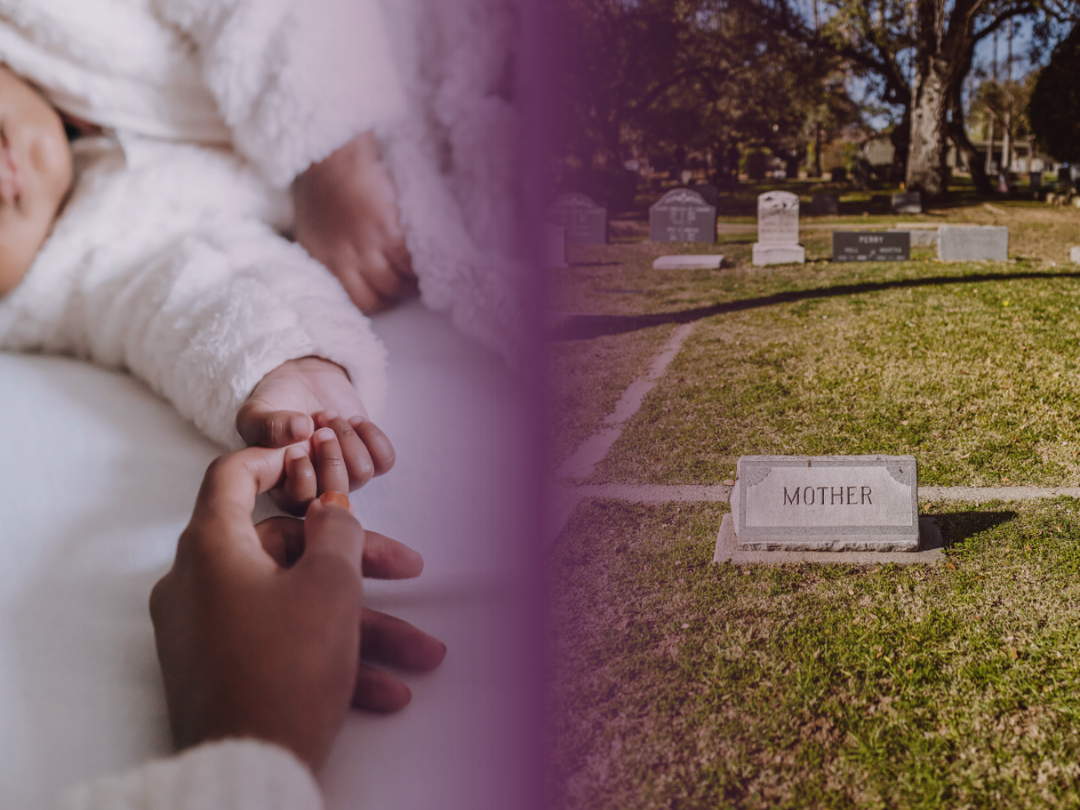
Over the last six years, I have experienced profound joy and profound loss. I experienced the beauty of marriage and bringing new life into this world — my beautiful son, Simon. I have also experienced the deep grief of life not going as planned: losing both of my parents and watching an adult child make decisions that sometimes lead to pain and hard lessons.
As I navigated these personal transitions, I also began to recognize another layer of grief that was more difficult to name — the feeling of being unseen, unheard, and left behind because of intersectionality and intersectional invisibility.
Some may ask, what does this mean? In essence, the terms describe how women of color, specifically Black women are treated within the workspace while attaining growth in personal and professional life.
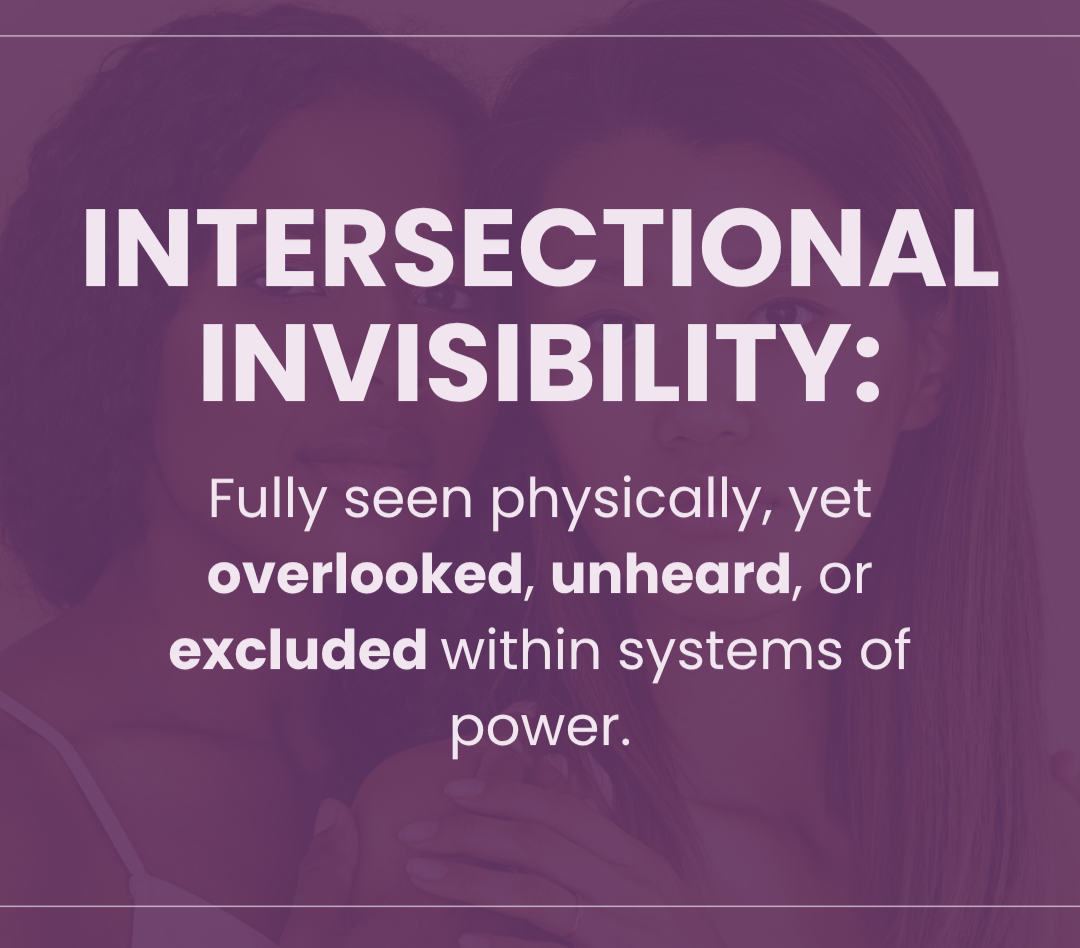
The legal scholar Kimberlé Crenshaw introduced the concept of intersectionality to explain how overlapping identities — such as race and gender — create unique experiences of discrimination and marginalization (Crenshaw, 1989). Building upon this work, scholars later introduced the concept of intersectional invisibility, which describes how people with multiple marginalized identities can be fully seen physically, yet still overlooked, unheard, or excluded within systems of power (Smith et al., 2019).
For many Black professional women and women of color, this experience feels all too familiar.
You walk into the room carrying visible identities that people immediately recognize — your race, gender, age, appearance, hairstyle, or even the way you speak. Yet despite your education, leadership, expertise, and accomplishments, there are moments when you still feel unseen. Sometimes it feels like you have to work twice as hard to be viewed as equally capable, credible, or deserving of opportunity.

Over time, that experience can quietly impact your confidence, sense of belonging, and emotional well-being. Not because you lack ability, but because some systems were never truly designed with your experiences in mind.
And if I am being honest, there were moments in my own journey where I questioned myself too. Not because I lacked intelligence, work ethic, or vision — but because constantly navigating spaces where you feel both visible and invisible can become emotionally exhausting.
That is part of why this work matters so deeply to me.
Over the years, I have personally experienced being passed over for opportunities — not because of my work ethic, intelligence, or ability to execute meaningful work, but because of factors outside my control. I have heard different explanations over time, but I cannot ignore the possibility that my dual identity as a Black woman shaped some of those outcomes differently than it did for some of my male counterparts.
However, this blog is not meant to air grievances.
This blog is about how we rise from the ashes.
Because the truth is this:
There will always be systems that do not work in your favor.
There will always be people within systems who do not have your best intentions in mind.
There will always be systems within systems.
The question then becomes: How do we navigate them without losing ourselves?
Part of my research explores this very question through the lens of change management theory, specifically the ADKAR Model framework: Awareness, Desire, Knowledge, Ability, and Reinforcement. Over time, we will walk through each part of this process together. But today, I want to focus on the first step:
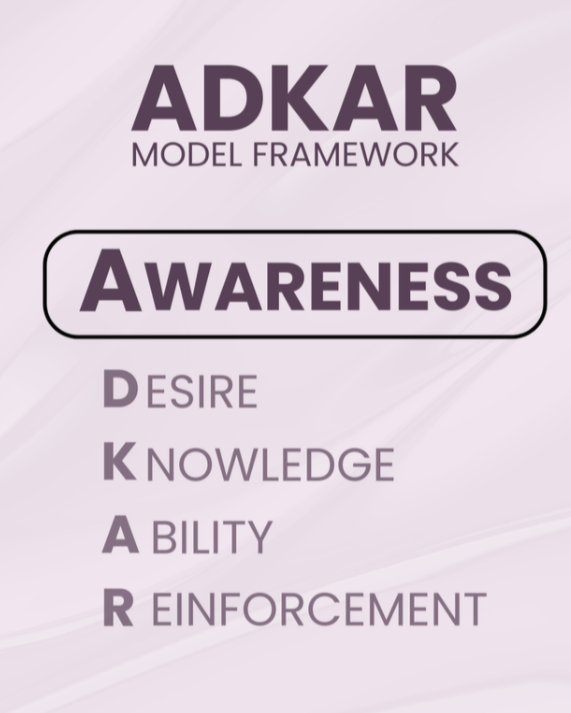
Awareness
Like many women, I had to acknowledge that I was standing at the intersection of joy and grief at the exact same time. I had to recognize that I was existing in a current state while simultaneously trying to rise into a new version of myself.
I am still Rising Through the Ashes.
And perhaps you are too.
Not every moment in life is meant to feel happy or comfortable. Sometimes growth emerges through pain, disappointment, stretching, and grit. Sometimes leadership is developed not in moments of ease, but in moments where we must rebuild ourselves while carrying invisible weight.
So today, I invite you to pause.
Become aware of who you are in this season of life.
Take inventory of your identities:
Who are you professionally?
Who are you personally?
What identities shape how you move through the world?
Which identities currently feel heavy?
Which identities feel empowering?
Where do you feel seen?
Where do you feel invisible?
Then stop there for now.
Do not rush to fix everything immediately.
Do not rush to perform healing.
Do not rush to become the “strong one” again.
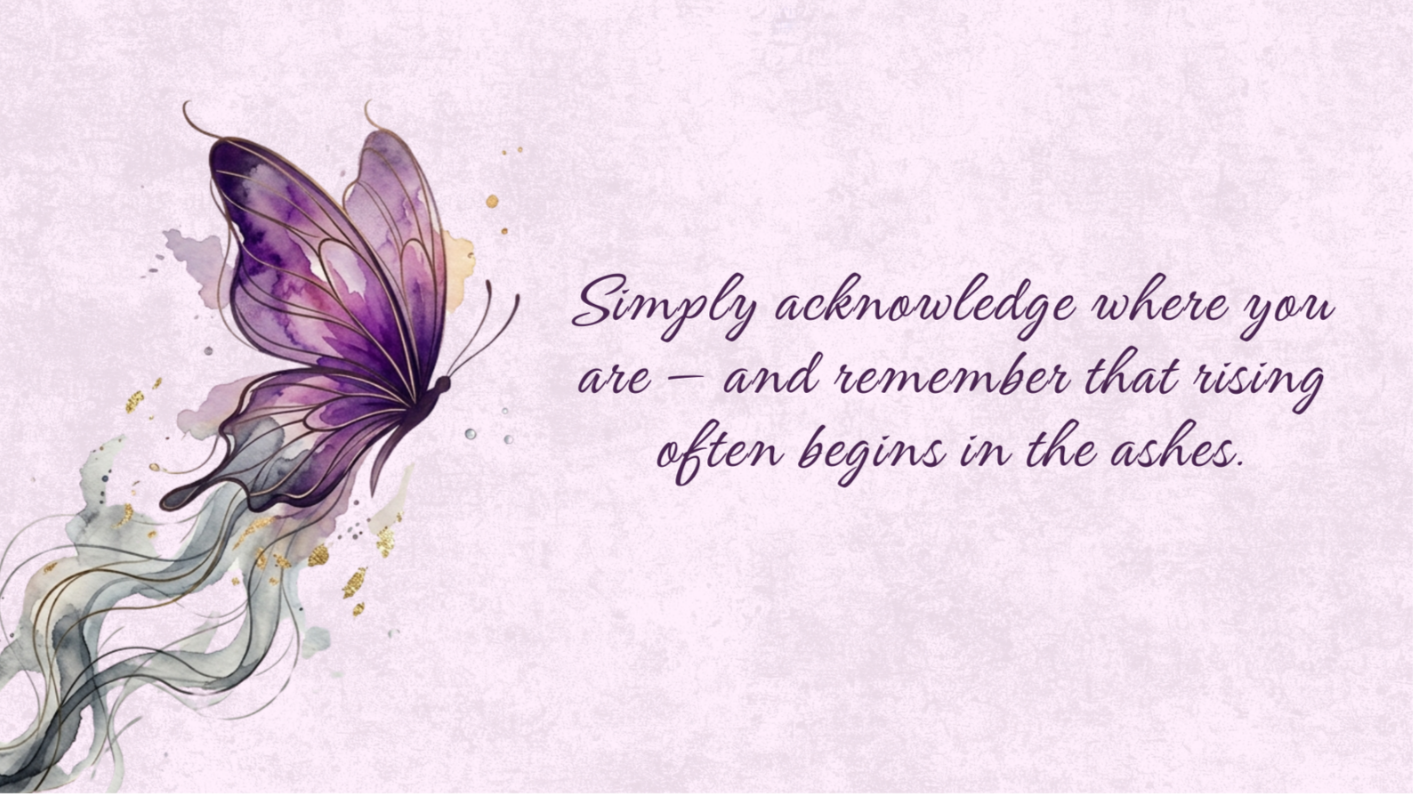
Awareness is enough for today.
There will be time to dive deeper later.
— Tanya Davis-Ezidinma
Founder, Butterfly Rising Institute (BRI)
