
Spring Cleaning the Heart: A Reflection on Grief and Acceptance
When Spring Feels Different
Spring is often described as the season of renewal. Buds begin to form, the sun stays a little longer in the sky, and many of us feel the urge to open the windows and clear out what no longer serves us. We clean our homes, organize our spaces, and prepare for new growth.

But sometimes spring does something else.
Sometimes it reveals emotions we have quietly tucked away through the winter.
This year, spring is doing that for me.
Normally, this is the time of year when I am excited to set up my makeshift greenhouse and start planting seeds—fully convinced that this will finally be the year my plants thrive instead of merely surviving.
But this spring feels different.
Recently, I found myself telling close friends and family that something about this season felt heavier than usual. I could not quite name it at first. It was just a feeling—a quiet shift in my mood.
Then, during a routine medical procedure, I found myself in conversation with a radiologist. Sometimes wisdom appears in the most unexpected places. Through that conversation, and after much reflection, I came to a realization that surprised me:
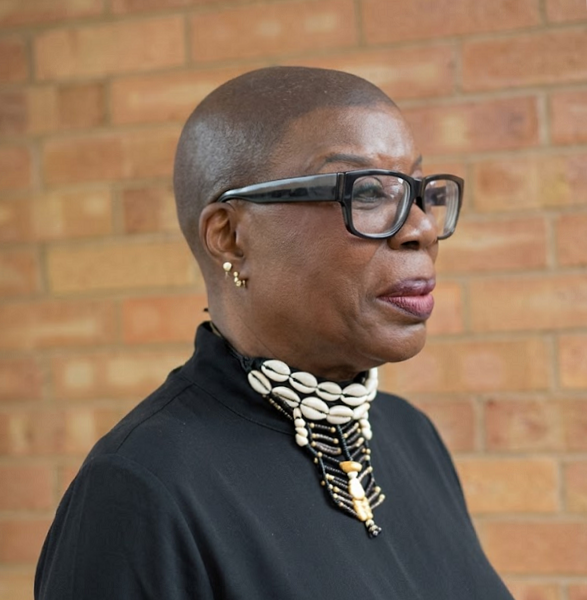
I am still grieving my mother.
When Busyness Becomes a Distraction
Last month in our blog, we discussed the worlds of work and home and the importance of boundaries between those spaces. Healthy boundaries allow us to move intentionally between our responsibilities and our personal lives.
But through reflection, I realized something about my own boundaries.
My boundaries between work and home were strong—but not because of a difficult workplace or overwhelming environment.
They were strong because I was using one world to distract myself from the other.
When work became overwhelming, I leaned into home life. When home felt heavy, I buried myself in work. I stayed busy in both spaces—meetings, responsibilities, family, projects—always moving forward.

My calendar looked impressive, color-coded, and full. If busyness were an Olympic sport, I probably would have at least qualified for the finals.
But what I was not doing was pausing long enough to truly grieve.
Understanding the Cycles of Grief
Through my studies during my master’s program and now again in my PhD work, I revisited the work of Elisabeth Kübler-Ross, who introduced the five stages of grief. These stages help us understand how people process loss and major life changes.
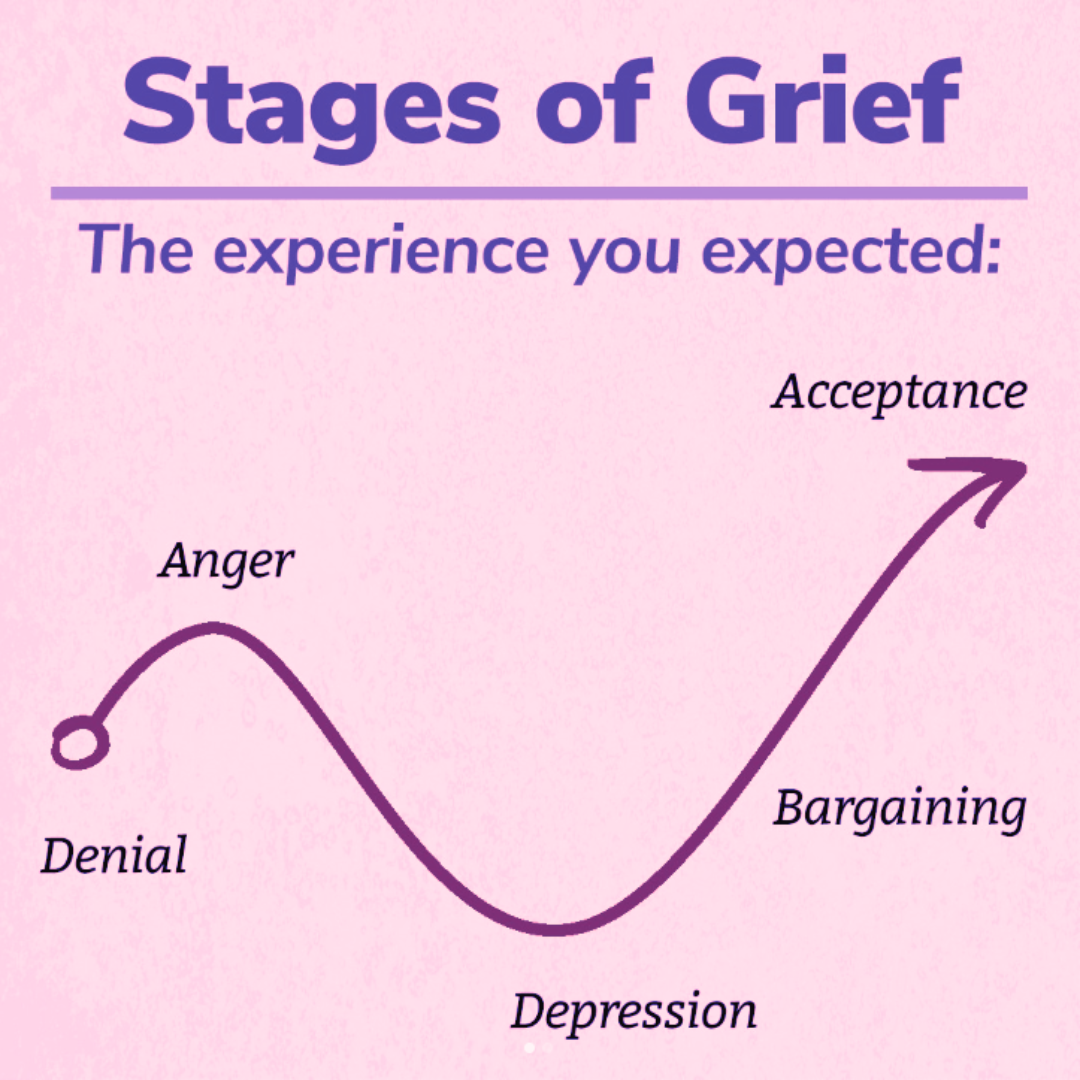
Kübler-Ross Grief Cycle
The phases include:
Shock and Denial – When the loss does not fully feel real. We may continue moving through life on autopilot.
Anger – As reality begins to settle in, frustration, sadness, or resentment may surface.
Bargaining – We start asking questions like “What if?” or wishing we could somehow change the outcome.
Depression or Deep Sadness – The weight of the loss becomes clearer, and feelings of sadness or exhaustion may appear.
Acceptance – Over time, we begin to integrate the loss into our lives and find ways to move forward.
For many mothers, grief appears in unexpected moments. A mother who has lost her own parent may reach for the phone to ask for advice about raising her children—only to remember that voice is no longer there.
In those quiet moments, grief reminds us how deeply love was rooted.
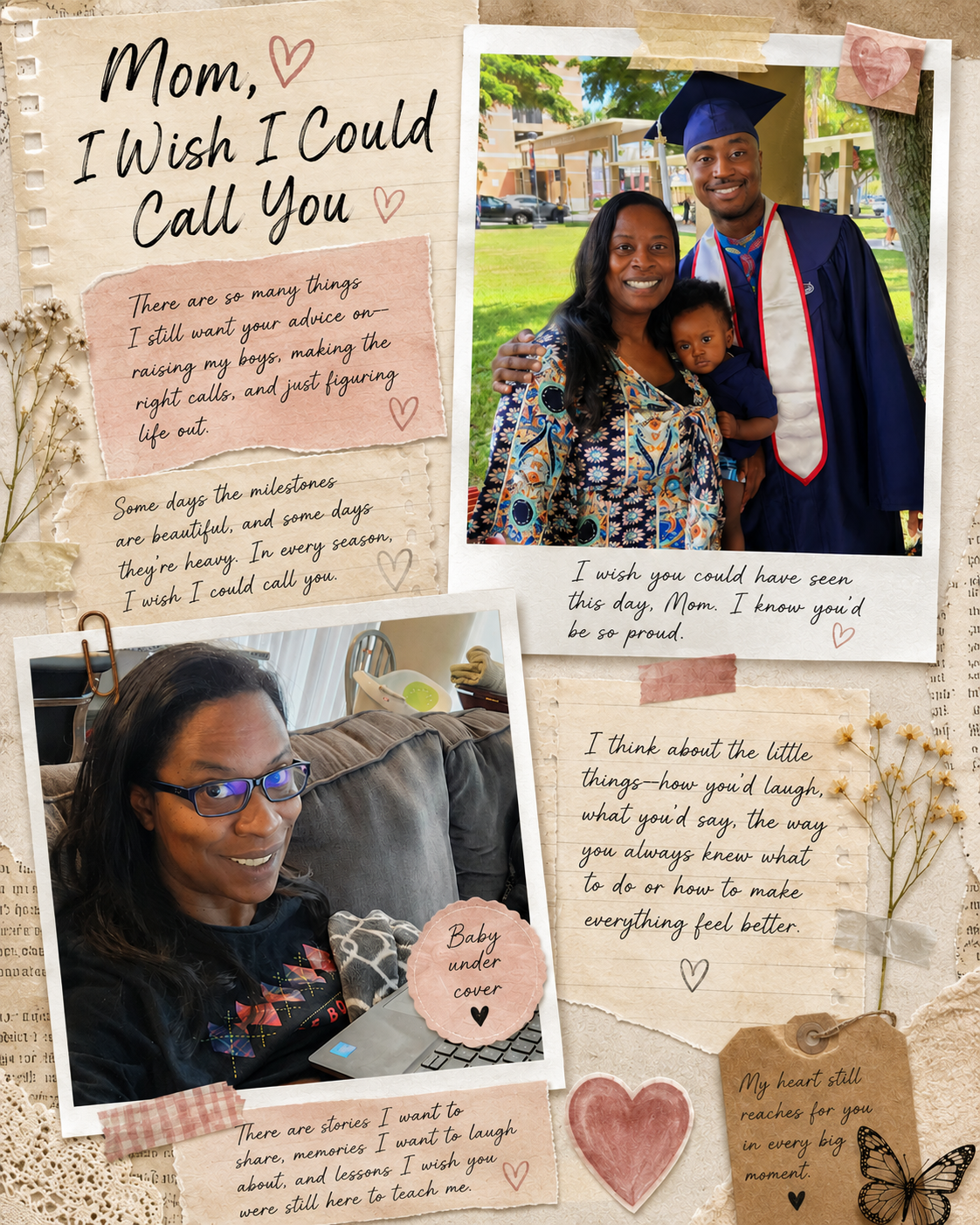
I find myself in those moments often, wishing I could call my mom just to hear her voice, share a story about my boys, or ask one of the many questions daughters never stop asking their mothers.
Here are some of those big moments, I wish I could call my mom:
It is also important to remember that these stages are not linear. We often move back and forth between them, sometimes revisiting phases we thought we had already passed.
Choosing Acceptance with Intention

During the first year after my mother passed, I now realize that I experienced many of these stages. For a long time, I remained in the phase of deep sadness. At other moments, I moved back into anger.
I was moving through life—but not truly processing the change.
Today, I believe I am finally moving toward acceptance.
But acceptance did not happen automatically. I had to become intentional about it.
Part of that process has been learning how to say no—which, if you are someone who likes to help everyone, can feel like learning a completely new language.
As we discussed in last month’s reflection, being seen is not about attending every meeting, event, or opportunity. Being seen is about honoring your humanity and understanding what boundaries are necessary for your well-being.
Sometimes the most powerful form of leadership is simply giving yourself permission to pause.
A Butterfly Rising Reflection 🦋
As the seasons change, life changes will occur. Sometimes those changes bring joy. Other times they bring grief.
Both are part of being human.
If you find yourself navigating grief while balancing work, home, and community, here are a few gentle steps to consider:
1. Identify where you are in the grief cycle.
Did a major life change occur? Are you struggling to accept something that has happened? Are your emotions fluctuating in ways that feel unfamiliar?
2. Acknowledge the phase you are in.
Try writing an affirmation that reflects where you are right now.
3. Take one intentional action.
Just as we do within change management, choose one small action today that will help you move forward—whether that is resting, journaling, speaking with someone you trust, or simply allowing yourself space to feel.
Healing does not happen all at once.
Like a butterfly emerging from the chrysalis, transformation happens gradually. Growth requires patience, reflection, and the courage to honor every stage of the journey.
And sometimes the most powerful step forward begins with simply allowing yourself to feel.
Journal Prompt for This Month
If you feel comfortable, take a few minutes this week to reflect and write about the following:
Where might I be carrying grief that I have been too busy to notice?
And if journaling feels intimidating, remember, it does not have to be perfect. Your journal does not grade papers, and thankfully, there is no spell check for emotions.
And even in grief, I am learning that the love my mother gave me continues to guide how I live, lead, and rise.